
An AI agent is not an emergency channel. Its only job on a suspected gas escape, a downed line or carbon monoxide is to recognise it in the first sentence and get the caller to your emergency number without delay. Not to triage. Not to log. Not to finish a script. If that exit is not right, nothing else on this page matters.
One Exit, and a Dead End
Most platforms treat this as a category: detected, noted, in the report. That helps nobody who can smell gas. Here it is a stop condition on the running conversation with a forward on it — and past the junction the route ends rather than slowing down.
And the Second Exit, Which Is Needed Far More Often
Medical dependency on electricity, no heating in February, somebody who cannot follow the conversation. Vulnerability is not a segment for a campaign, it is a stop — and in an arrears call it is the difference between doing this properly and a regulatory case.
The last field is worded so that TRUE is the failure. Any other way round and a breach scores highly on an averaging dashboard.
The skipped step is the expensive one: a better tariff offered before anybody asked why.
- SafetyA stop condition in the first sentence, with a forward — never a category in a report
- VulnerabilityAlso a stop, and in arrears calls the line at which the script ends
- Calling hoursEnforced on the job and the campaign rather than advised
- TariffWhat may be offered is an authorisation from you, not an inference from context
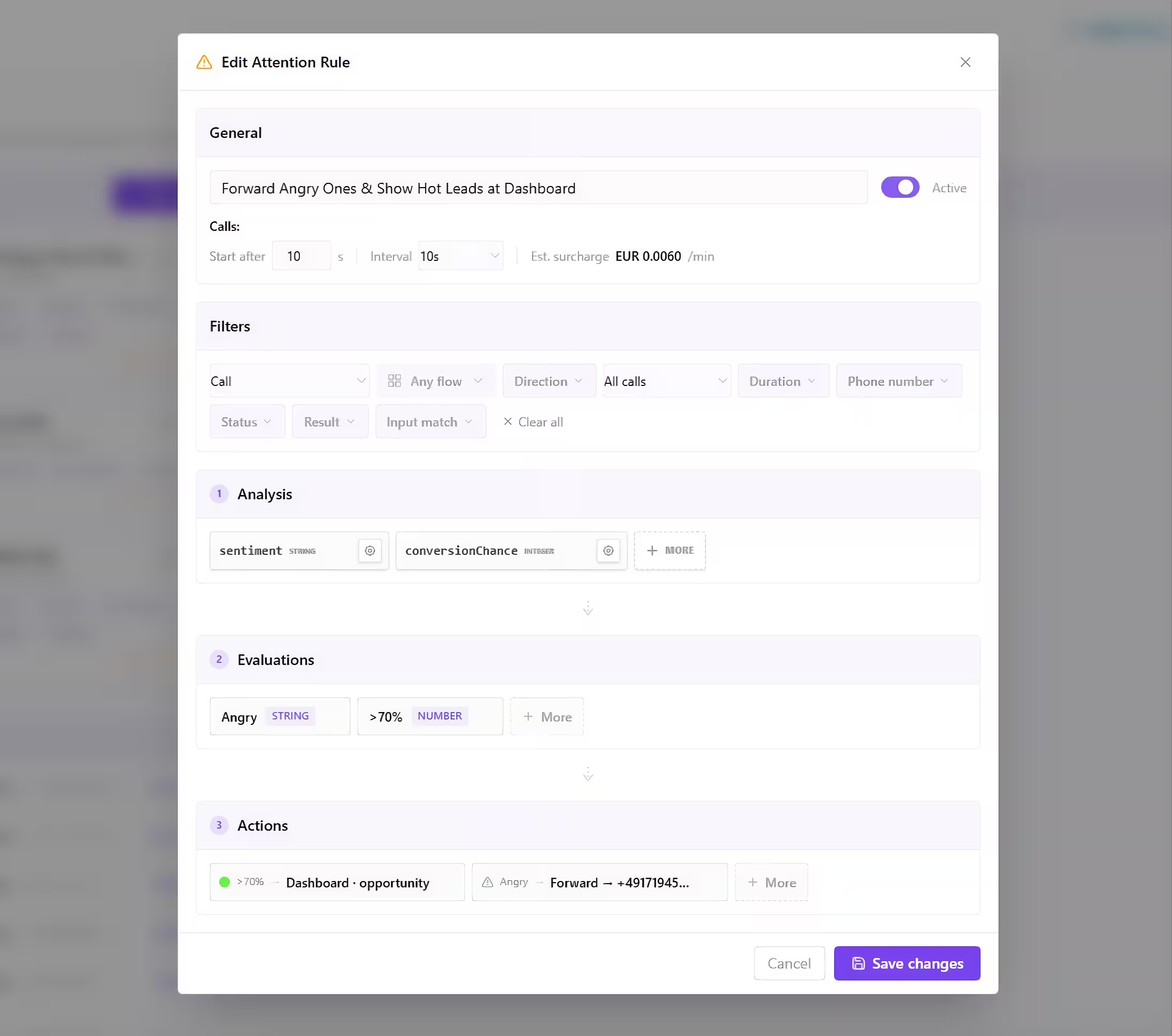
The Call That Has to Leave the Automation
A smell of gas, a customer who says they cannot heat the house, somebody on the priority register. A rule re-reads one field out of the running conversation every few seconds and can forward the call before the sentence is finished.
And the Other Three Hundred Days
Between the outages sits the actual volume: identical, necessary, short conversations, none of which delights anybody and all of which have to happen.
The afternoon with ten thousand calls
Everybody wants the same three facts. The ceiling goes up for the afternoon, every caller is answered — and anybody on the priority register goes to a person, because a scripted answer is the wrong one for them.
Actual readings, not estimates
The reading is captured as a number, checked for plausibility against the last one on the call, and re-asked when it does not make sense — which is the whole reason estimated billing exists.
Appointments that are kept
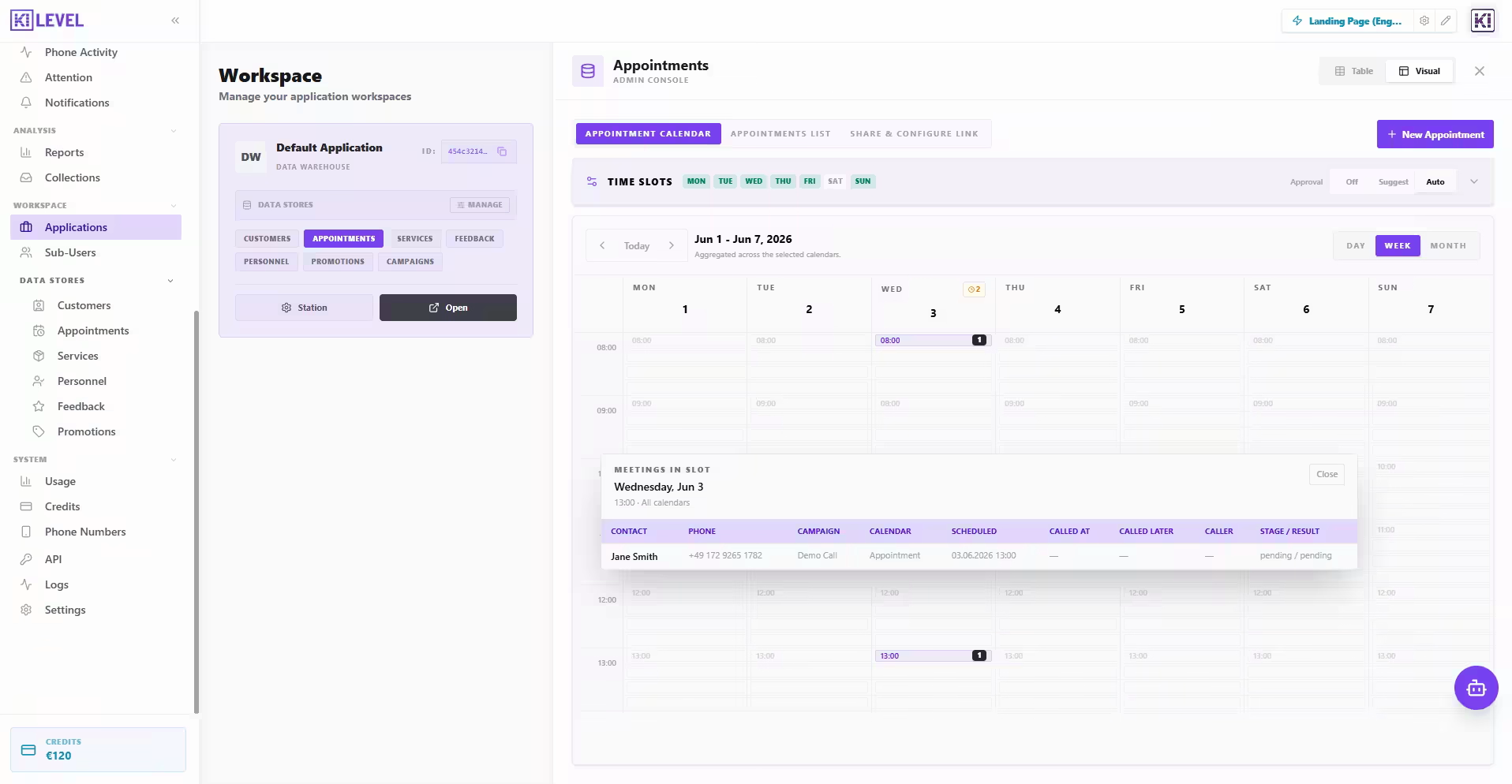
Meter exchanges and safety checks are a calendar with capacity per slot. Real availability on the call, confirmation by SMS, a reminder the evening before — the difference between an installer's day that works and two no-access visits.
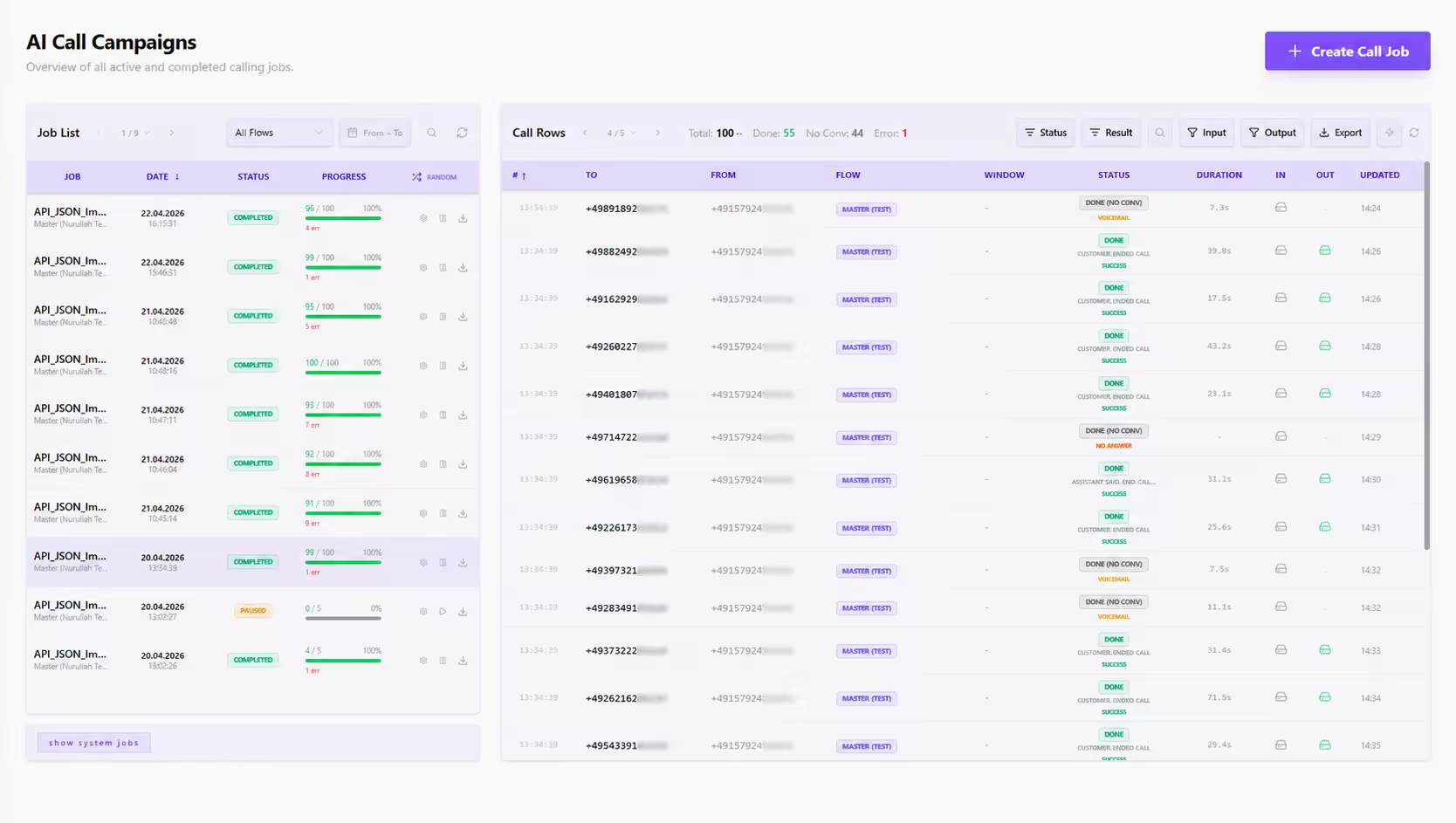
The live rules and the calling machinery are under Outbound, the engineer calendar under Appointment Booking, and the workflows in between under Automations.
Configuring the emergency routing, and complying with the applicable rules on emergencies, vulnerable customers and continuity of supply, rest with the operator. Kilevel provides the means to build that exit and to verify it — responsibility for its existing and working cannot be handed to a platform.
- First
- The safety question
- Live
- Vulnerability detection
- ×10
- Outage surge
- Actual
- Meter readings
And if the answer is yes, the call ends right there
Read on the running call, with a forward rather than a note
Capacity is a number for the afternoon rather than a hold queue
Captured as a number and checked for plausibility on the call